Complete Guide to Proper Dumpster Loading
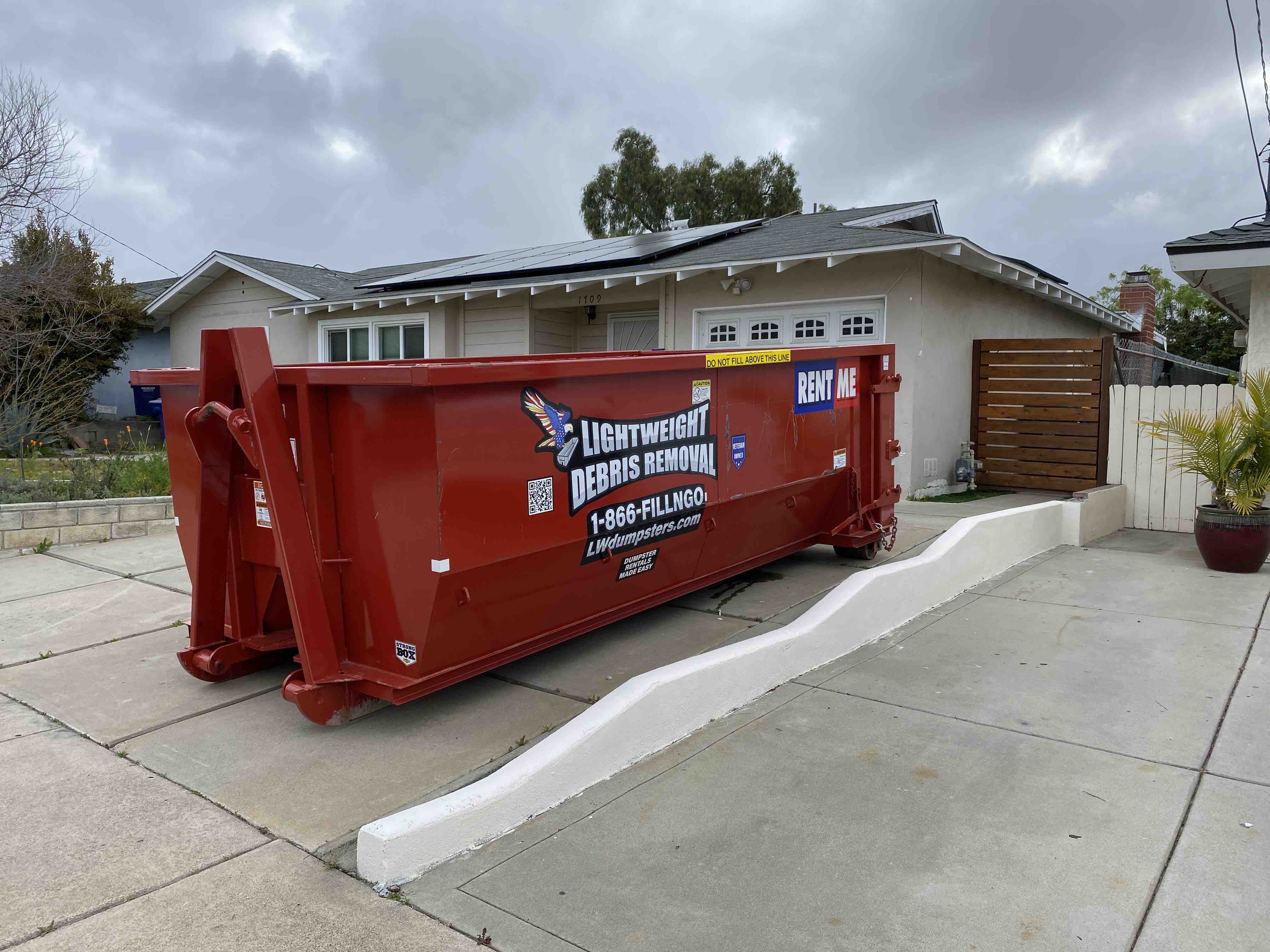
If you're managing a construction, renovation, or decluttering job, loading a dumpster might appear simple. However, how materials are arranged can greatly influence space efficiency, safety, and speed. Many people overlook the importance of proper dumpster loading, resulting in inefficient space use, potential danger, and extended renting dumpsters Vista CA work time.
At Lightweight Debris Removal, we highlight that the way you load a dumpster matters as much as picking the right size. Taking an organized approach maximizes container use while ensuring a secure and efficient workspace. We strive to help every customer make the best use of their dumpster service through understanding correct loading methods that minimize clutter, avoid damage, and speed up cleanup.
Planning Before You Start Loading
Before placing any waste into the dumpster, proper preparation is key. Evaluate the debris you plan to throw away and separate recyclables or items needing careful handling. Sorting ahead of time promotes a smooth workflow and limits the need for reorganization later. It also makes handling safer by isolating hazardous or sharp materials.
Mapping out the order of loading matters just as much. Place heavier or bulkier items first to form a solid base. Next, stack smaller items above to utilize all available room. Smart preparation reduces the risk of load shifting or tipping during pickup. This approach improves both safety and efficiency throughout the job.
Smart Space Management for Dumpster Loading
Getting the most out of your dumpster starts with space efficiency. Large or bulky debris should be dismantled to conserve room. Crushing or flattening materials helps create more usable space. Doing so enables more debris to fit while keeping the load balanced and organized.
You can also use a layering technique for smarter space allocation. Start with flat, dense materials on the bottom for support. Add lighter debris in between to fill open spaces. Do not overfill or stack above the container rim to prevent hazards. Layering effectively ensures a neater, safer, and more productive loading experience.
Maintaining Safety During Loading
Keeping safety in mind throughout the loading process is vital. Wearing gloves, strong shoes, and protective gear helps prevent cuts and injuries. Check the surrounding space for any obstructions or items that may cause falls. Maintaining situational awareness prevents accidents and improves teamwork.
Refrain from throwing objects into the dumpster carelessly, because this might lead to unstable loads or dented surfaces. It’s safer to position items gently and intentionally. For heavy items, always lift with help to stay safe. By practicing caution, you maintain both productivity and protection on-site.
Organizing and Managing Waste Materials Effectively
Keeping materials sorted throughout the loading process is essential for maintaining efficiency. Keep comparable debris types—such as wood, metal, or general trash—segregated. Doing so not only streamlines the loading phase but also simplifies unloading and proper disposal. You’ll also easily spot recyclable materials, reducing waste and encouraging sustainable habits.
Keeping materials organized reduces the need to rearrange items once they’re inside. Position lighter, flexible materials toward the top layer and heavy ones beneath. By organizing weight properly, the dumpster remains secure and tidy. Consistent organization results in a faster, safer, and more productive cleanup process overall.
Safeguarding Surfaces When Using a Dumpster
Though dumpsters are designed for strength, the ground beneath them may not be. Lay down wooden boards or protective padding to spread weight and guard driveways. Taking this measure prevents cracks, scratches, and wear during use.
Choosing the right placement location is just as important. Opt for a stable, easy-to-reach area that won’t obstruct entryways or paths. Avoid positioning the dumpster too close to structures or landscaping features that could be damaged. Proper planning and setup promote a damage-free and stress-free project environment.
Maximizing Efficiency for Large Projects
Major cleanup efforts can produce a steady stream of waste that requires planning. Creating a staging area where waste is sorted before reaching the dumpster can streamline loading. This keeps the dumpster evenly filled from front to back and minimizes later rearranging.
Encouraging teamwork and good communication boosts workflow efficiency. Give each worker defined roles like lifting, sorting, or compressing waste. A coordinated team ensures a quicker and more streamlined workflow. Planning and cooperation are vital for completing big projects without unnecessary setbacks.
What You Should Avoid Loading Into a Dumpster
Some materials can’t go into dumpsters, and understanding these limits is critical. Hazardous chemicals, paints, and specific electronics must be disposed of through proper channels. Improper disposal can damage the environment and lead to regulatory issues. Check local guidelines before loading to stay compliant and safe.
Do not overfill or overload the dumpster to maintain safety. Overflowing containers lead to instability and may require extra handling. Proper loading maintains safe handling and regulatory compliance. Keeping within restrictions prevents delays and complications at pickup time.
Partnering with a Reliable Dumpster Rental Provider
Collaborating with a dependable provider makes any cleanup smoother and more efficient. Lightweight Debris Removal offers expert dumpster rental services designed for both homeowners and contractors. From drop-off to collection, our team ensures a seamless and worry-free rental experience.
Opting for a company that values service quality improves every project step. Prompt support, transparency, and reliability help maintain project flow. Lightweight Debris Removal remains committed to supporting customers in achieving clean, safe, and efficient waste solutions.
Maintaining a Clean and Efficient Project Site
Efficient dumpster loading directly impacts overall project productivity. Keeping order at the site minimizes distractions and enhances coordination. Through planning and efficient methods, you’ll complete jobs faster and cleaner.
Lightweight Debris Removal reminds customers that dumpster loading is about more than getting rid of waste. It’s a chance to boost safety, save time, and protect your surroundings. Through foresight, precision, and teamwork, dumpster loading transforms into a vital part of success.